Seven Days, One Sofa, Zero Panic: A Spring Break Revision Plan for CBSE Families in the States
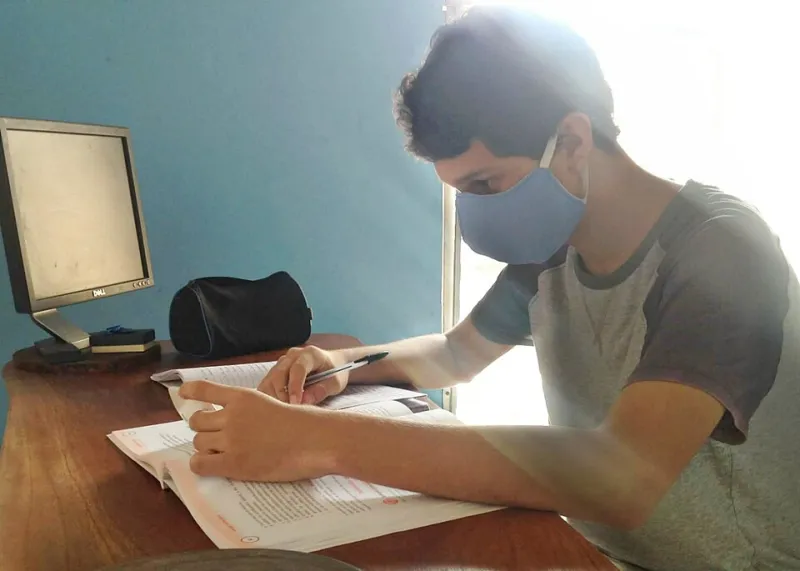
Photo: Oa.coello, CC BY-SA 4.0, via Wikimedia Commons
Spring break arrives in most American school districts with a peculiar gift attached: seven days in which nobody has to be on a bus at seven in the morning. For a CBSE family, that is not merely a rest from routine. It is the only substantial stretch of daytime study available between the winter term and the board examinations.
The temptation is to fill it. The better approach is to shape it — a handful of concentrated morning sprints, a lighter afternoon obligation, and enough empty space that the week does not come to feel like punishment. What follows is a realistic plan, built for a household where at least one adult is present but not necessarily free all day.
Why This Week Matters More Than It Looks
Evening study after a full American school day is fragmented: forty minutes here, thirty there, interrupted by dinner, sport, and fatigue. Practice work — the kind that requires setup, materials, and unhurried thinking — rarely fits into those slots. Spring break offers contiguous time, and contiguous time is what practical records and revision cycles actually require.
It also offers a rehearsal. A child who has completed one full revision cycle under calm conditions knows what the cycle feels like before the pressure of examination week arrives.
Set the Week Up on Friday
Before the break begins, spend thirty minutes with the child and a single sheet of paper. List what is genuinely outstanding: unfinished practicals, missing lab record entries, chapters not yet revised, a project report awaiting diagrams. Rank them by consequence, not by preference. Then decide, together, what will not be done — this is the most important line on the page. A plan that attempts everything produces a week of quiet resentment.
The Daily Shape
Every weekday follows the same three-part rhythm, which keeps decisions to a minimum:
- Morning (9:00–11:00): the demanding block. Practicals, lab records, or the hardest revision topic.
- Midday: genuinely free. Outdoors, friends, screens — no study guilt attached.
- Afternoon (4:00–5:00): short, light maintenance. Flashcards, formula recall, a single past-paper section.
- Evening: no study. This is non-negotiable and should be stated as such.
Four hours of focused work per day, spread across a week, accomplishes more than eight hours crammed into two days.
Day by Day
| Day | Morning focus | Afternoon touch-up |
|---|---|---|
| Saturday | Inventory: gather lab manuals, checklists, and pending items | Set up the week's folder and station |
| Sunday | Two practical write-ups completed in full | Ten-minute formula recall |
| Monday | Lab record diagrams and corrections | One past-paper section, timed |
| Tuesday | Hardest revision chapter, read and summarised | Flashcards from the summary |
| Wednesday | Review day: three chapters revisited briefly | Self-quiz from the question bank |
| Thursday | Second hard chapter, plus practical pending items | One past-paper section, timed |
| Friday | Full-length section under exam conditions | Mark together, discuss the marking scheme |
Keeping It Humane
The failure mode of a study holiday is not laziness; it is overreach. Three guardrails prevent it. First, cap the morning block at two hours with a real break in the middle. Second, keep one full day entirely free of study — Wednesday afternoon through Thursday morning works well for most families, and the plan above absorbs it. Third, end each session by writing down what was completed, not what remains. The accumulating list is what sustains momentum.
The Friday Audit
On the final afternoon, sit with the child and the original Friday list. Cross off what was finished. Name, without reproach, what was not. Then write two sentences: one about what worked this week, and one about what the next study block should protect. Keep the sheet. In a few months, when revision begins in earnest, that page will be more useful than any printed timetable, because it was written by the person who has to follow it.
What Not to Do
Do not convert the week into a mock examination marathon. Do not add a new coaching subscription to fill the spare hours. Do not schedule study into the evening simply because the daylight is available. The value of spring break lies in its unusual shape — deep mornings, empty afternoons — and protecting that shape is the whole discipline of the plan.
By Saturday, the family should be able to point to completed practical records, three or four chapters genuinely revisited, and a child who returns to American school tired from the holiday rather than from the studying.