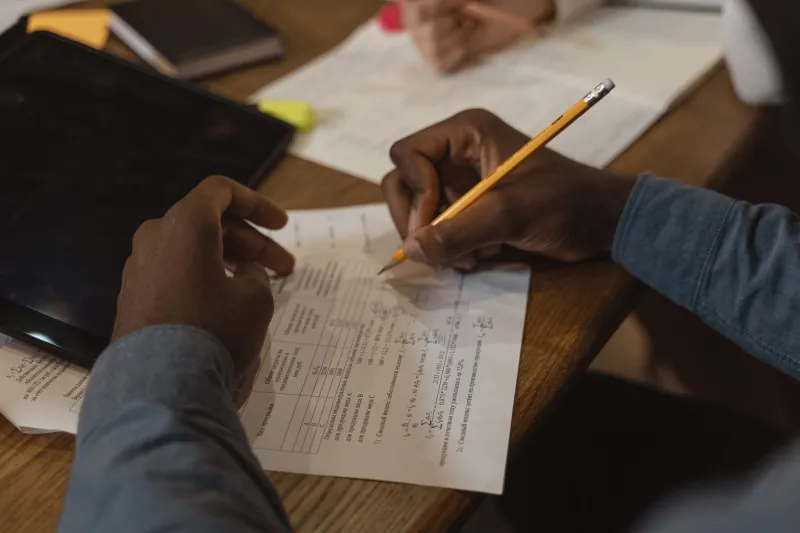
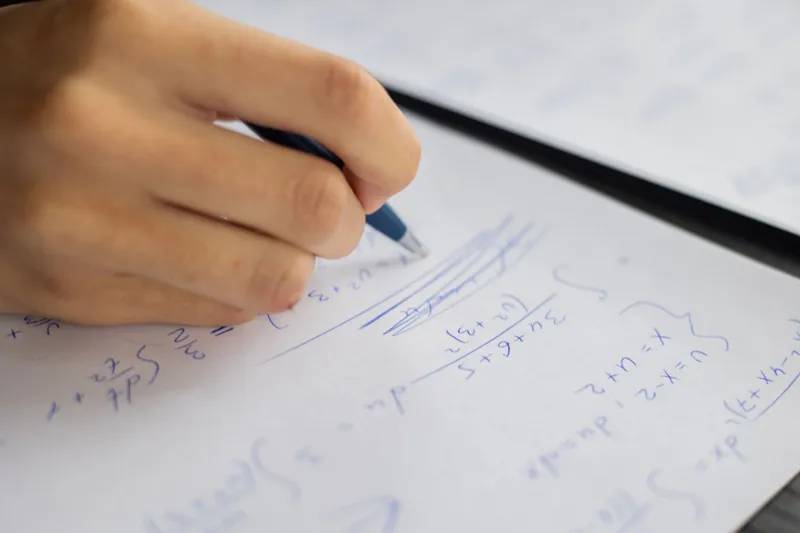
After Soccer, Before Bedtime: The Short CBSE Practice Window That Actually Works on School Nights

For families raising CBSE students in the United States, the school day rarely leaves room for anything else. Children return from American classrooms around 3 PM, head to soccer or band practice, finish local homework by 7, and collapse into bed soon after. Somewhere in that crowded evening, CBSE preparation has to fit — and for most families, it doesn't.
The solution is not more hours. It is a smaller, smarter commitment: a single 15-minute window, used consistently, that we call the Homework Bridge. It connects what your child learns in an American classroom during the day with the CBSE syllabus they must master for board exams.
Why 15 Minutes Beats a Weekend Marathon
Parents often attempt to compensate for busy weeknights by scheduling three-hour CBSE sessions on Saturday. These sessions rarely survive their second weekend. Children resist them, parents dread them, and the material covered is forgotten by the following Friday.
Short daily practice works differently. Cognitive research consistently shows that distributed practice — small sessions spread across days — produces stronger retention than massed practice of equal total time. Fifteen minutes each evening, five evenings a week, equals seventy-five minutes of focused revision. That is enough to maintain momentum in every core CBSE subject without exhausting anyone.
Just as important, a short session feels manageable to a tired ten-year-old. The barrier to starting is low, and starting is the hardest part.
Choosing the Window: Timing Is Everything
The bridge works best when it is anchored to an existing routine rather than floating freely. Three windows tend to work well for American families:
- Immediately after local homework. The study mindset is already active. Closing one notebook and opening another is easier than restarting from scratch.
- During or right after dinner. For families who eat together, a five-minute mental math round at the table can double as conversation.
- Just before bedtime reading. Pairing CBSE practice with an existing wind-down ritual makes it feel like part of the evening rather than an add-on.
Avoid the window immediately after school. Your child has just completed seven hours of instruction; demanding more academics at 3:30 PM invites resistance. Let them play, snack, and decompress first.
The Weekly Rotation: One Subject Per Night
Fifteen minutes is not enough to touch every subject daily, and it doesn't need to be. A simple rotation ensures full coverage across the week:
- Monday — Mathematics. Five problems from the current NCERT chapter, chosen by your child or pre-marked in the textbook. Focus on problems, not reading.
- Tuesday — Science. One diagram to redraw from memory (the human heart, a circuit, the water cycle) plus two definitions written in their own words.
- Wednesday — Languages. One paragraph of Hindi or Sanskrit reading aloud, plus five new vocabulary words written once and used in a sentence.
- Thursday — Social Science. One map exercise or a five-question quick quiz from a chapter already studied.
- Friday — Review and choice. Your child picks anything from the week to revisit, or completes one short self-made quiz. Fridays should feel lighter.
Weekends remain free for rest, family time, or — when motivation strikes — longer sessions. The rotation's job is maintenance, not mastery.
Micro-Drills That Fit the Clock
Each subject session should follow the same internal rhythm so no time is wasted deciding what to do:
- Two minutes: retrieve. Before opening any book, your child writes or says everything they remember about the topic. This retrieval attempt is where real learning happens.
- Eight minutes: practice. Open the NCERT book and complete the planned problems or exercise.
- Three minutes: correct and record. Check answers, mark mistakes, and jot the tricky ones into a small "error notebook" that becomes gold before exams.
- Two minutes: close. Note what was covered in a simple log — date, chapter, problems done. The log itself becomes a motivating streak.
Keeping It Encouraging, Not Punitive
The fastest way to kill this routine is to treat a missed night as a failure. Some practical guardrails:
- Never double up. If Wednesday is missed, it is simply missed. Thursday proceeds as planned. Punitive catch-up sessions teach children to resent the work.
- Praise the streak, not the score. "Five nights in a row" deserves more celebration than a perfect math worksheet.
- Let the child own the timer. A simple kitchen timer your child sets and controls gives them authority over the session.
- Parents stay nearby, not over. Sitting at the same table with your own reading signals companionship. Hovering signals surveillance.
If your child pushes back — and they will, some weeks — shrink the session rather than fight. Five minutes of math keeps the bridge standing. Zero minutes lets it collapse.
When the Routine Clicks
Families who sustain this rhythm for a term report something unexpected: the CBSE material stops feeling foreign. Because the evening bridge touches the syllabus in small doses, weekend and holiday sessions become review rather than rescue missions. When board exam season arrives, your child is not starting from a standstill — they are accelerating from a rolling start.
Fifteen minutes is a small price for that position. Set the timer tonight.